
IRAN REJECTS TALKS AS TRUMP KEEPS BLOCKADE
Tehran hardens its stance, Washington doubles down, and Congress pushes back with renewed political pressure
FERNANDO HESSEL - Washington, DC
| Atualizado em
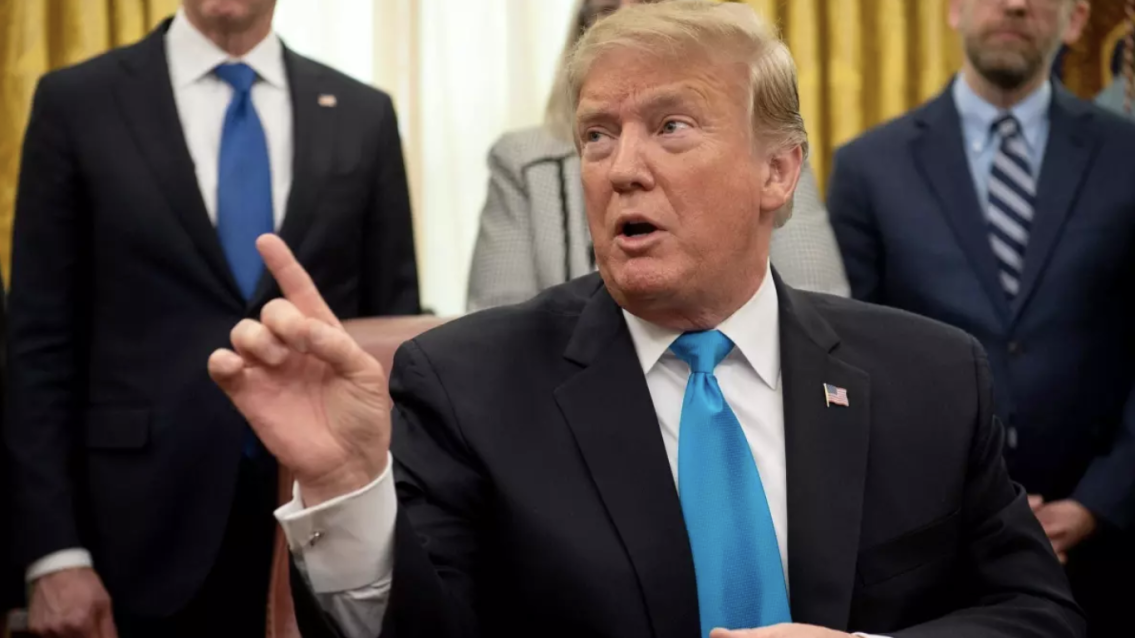
WASHINGTON, DC (APRIL 21, 2026) – The conflict involving the United States, Israel, and Iran has entered a more volatile phase, marked by a diplomatic deadlock that shows little sign of resolution. Tehran has made it clear it will not negotiate under what it calls the “shadow of threats,” while President Donald Trump reaffirmed that the blockade on Iranian ports will remain in place until a deal is reached.
Iran’s position goes beyond rhetoric. It reflects a strategic posture of resistance under pressure, aiming to shift the narrative from vulnerability to leverage. In practical terms, it pushes any potential negotiations into a far more unstable environment.
From the U.S. side, the decision to maintain the blockade increases the risk of economic suffocation for Iran, particularly as the country already faces severe trade restrictions. The maritime blockade serves as a direct coercive tool, but it also raises military tensions in the region, heightening the risk of incidents in the Persian Gulf.
At the same time, political pressure is building within the United States. Senate Minority Leader Chuck Schumer announced that Democrats will force a fifth vote on a war powers resolution aimed at limiting Trump’s authority to conduct military operations without congressional approval.
The U.S. Constitution clearly assigns the power to declare war to Congress, not the president. However, in practice, successive administrations have expanded executive authority in military actions, creating a gray area that is now back at the center of debate.
Despite Democratic efforts, the legislative landscape still favors Trump. Republicans hold slim majorities in both chambers and have consistently blocked measures intended to restrict the administration’s military actions.
On the ground, images from southern Lebanon highlight the human cost of this escalation. Families continue to bury victims of recent strikes, even under a fragile ceasefire between Israel and Hezbollah. The region remains on edge, where any miscalculation could reignite a broader conflict.
What emerges is a high-stakes standoff. Iran refuses to negotiate under pressure, while the United States escalates economic and military leverage. Meanwhile, Congress struggles to reassert its constitutional role in decisions of war.
The risk is evident. When diplomacy turns into coercion and domestic politics collide with military strategy, the margin for error narrows significantly.